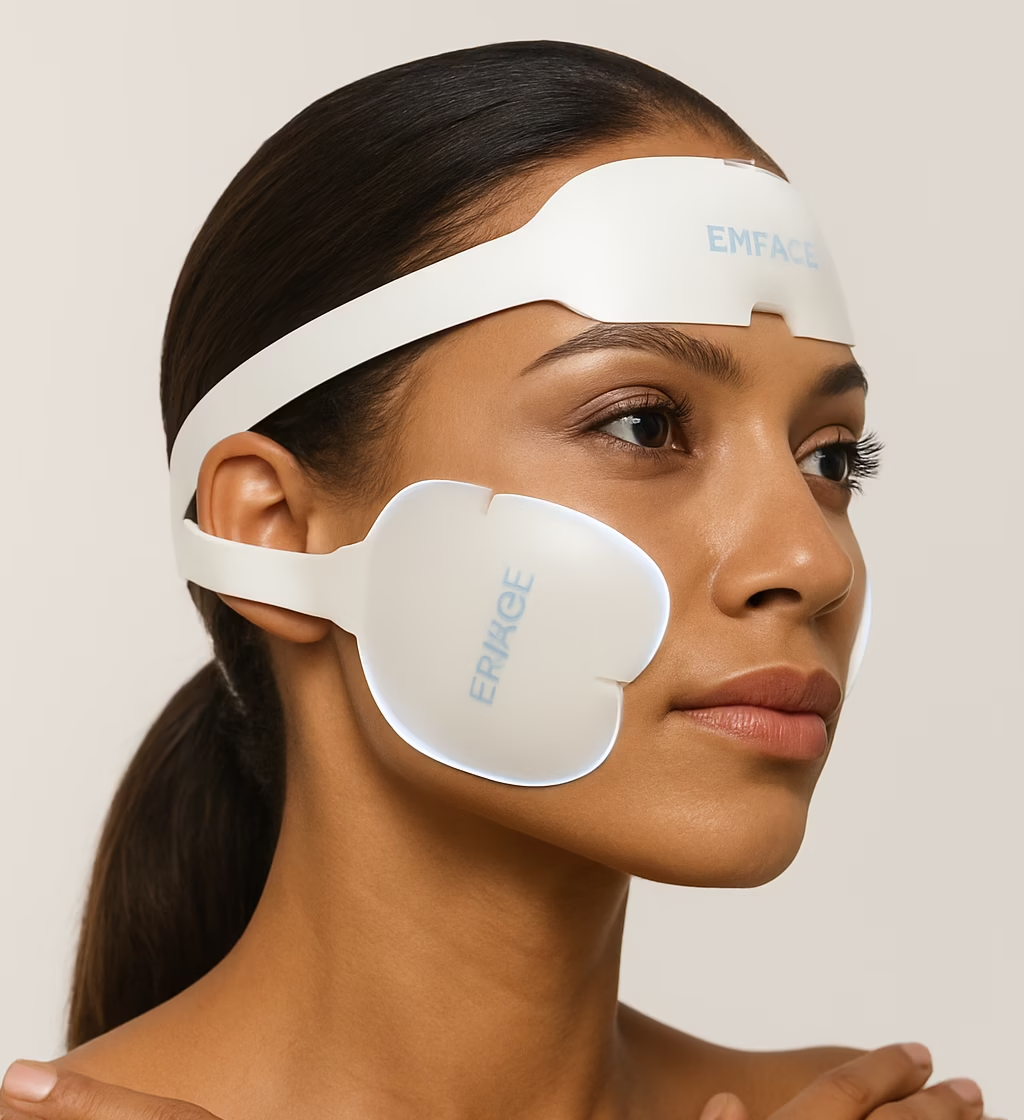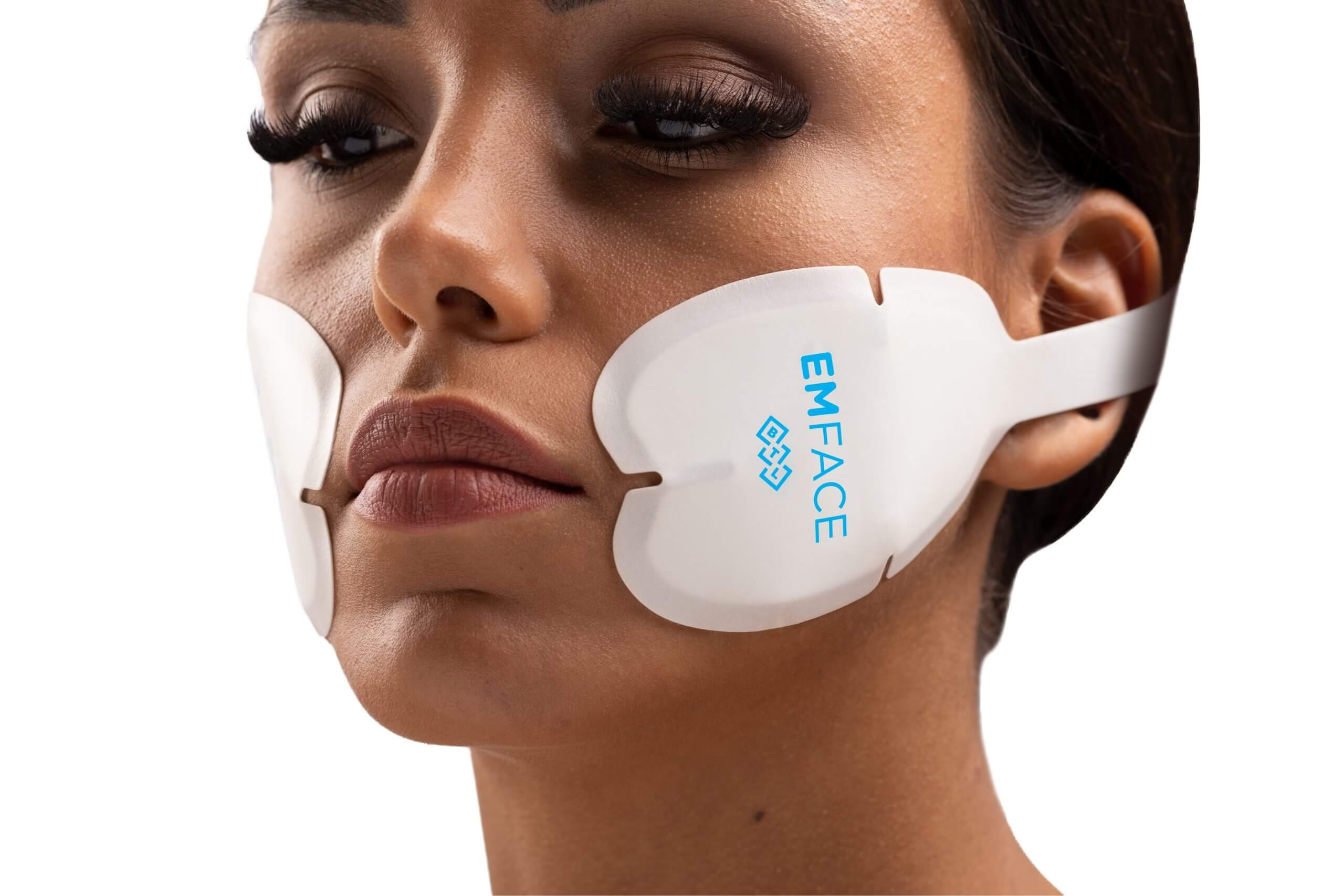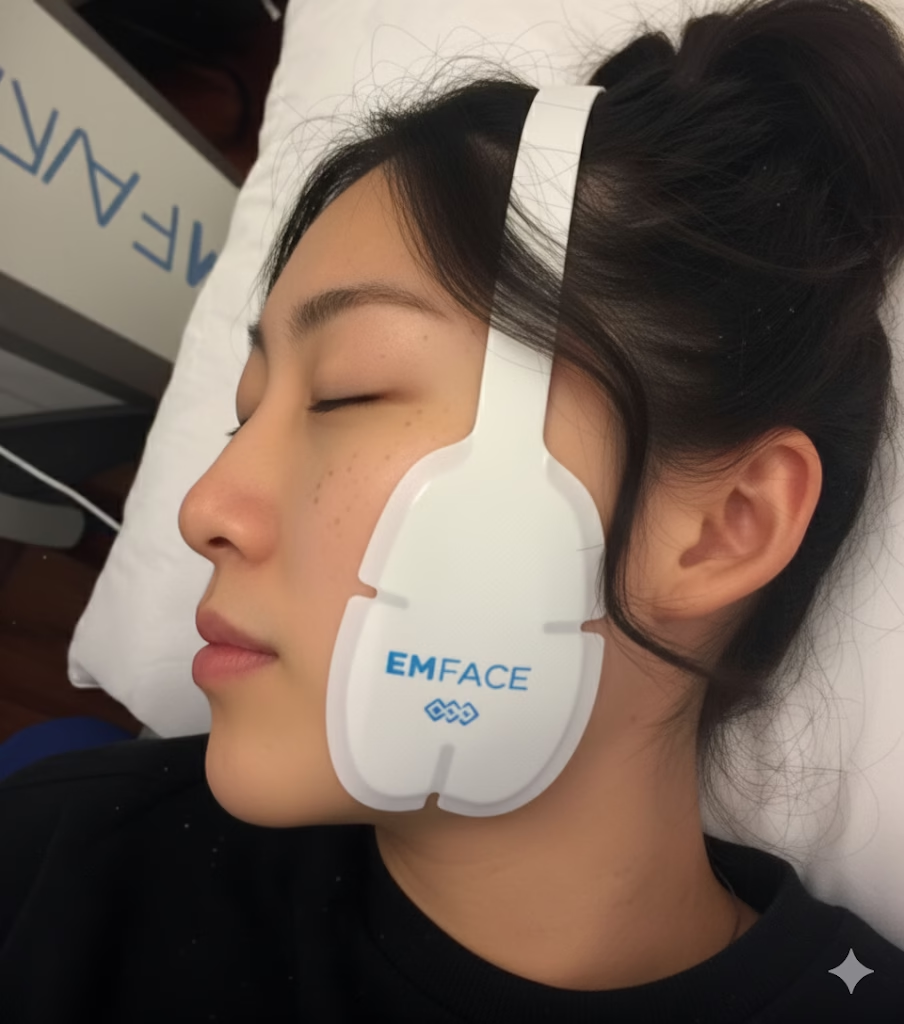
Emface Results Over 6 Months: A 40s Woman’s Skin Firming Journey in NYC
Somewhere in your early 40s, the changes begin not dramatically, not overnight, but quietly.
You might notice it when you’re getting ready in the morning. The jawline feels softer. The cheeks don’t sit quite the same. Or maybe it’s in photos nothing obvious, just a subtle sense that your face looks a little more tired than you feel.
For many women, this is the moment when curiosity turns into research.
And increasingly, that research leads to one question:
Can skin firmness and lift be restored without surgery?
This is where conversations around Emface results over 6 months start to become relevant not as a quick fix, but as a gradual, structured approach to supporting the face as it changes.
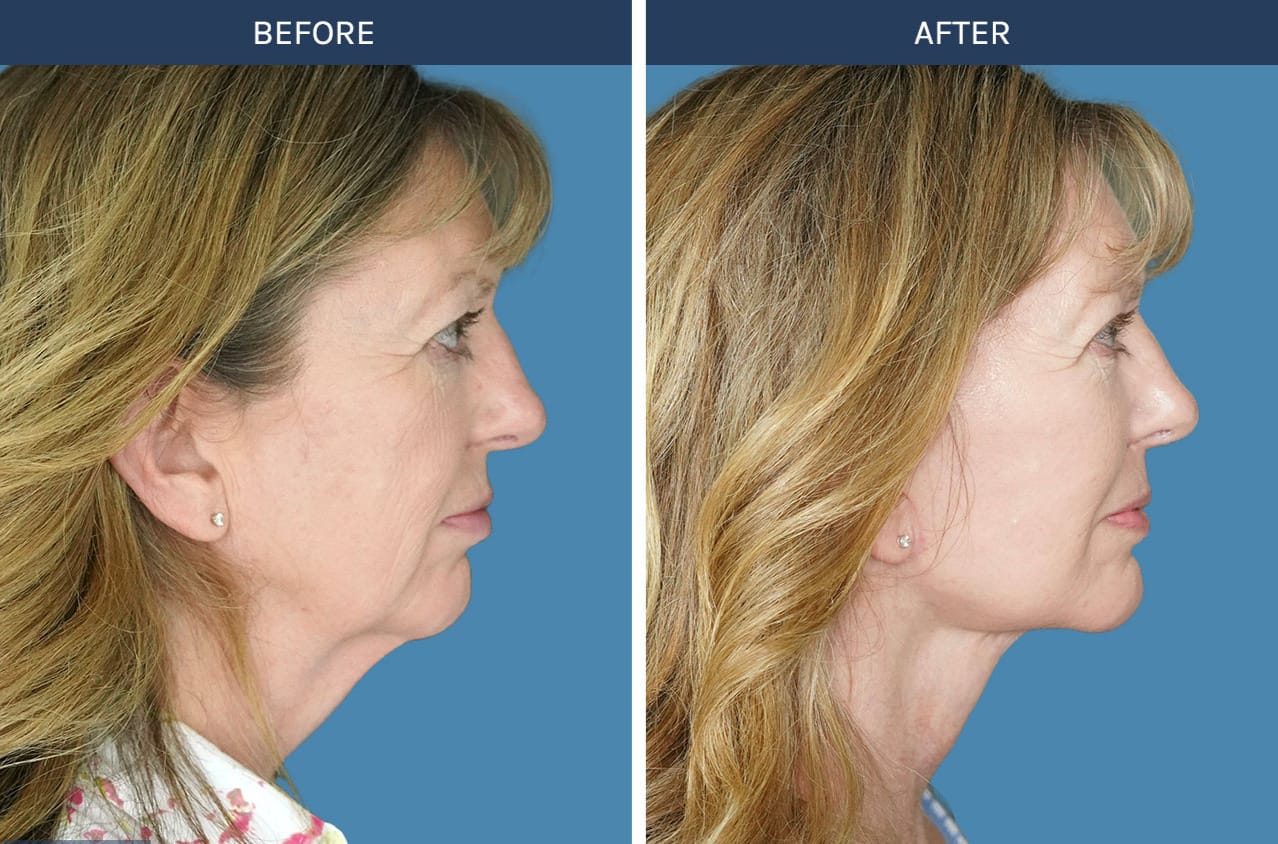
What’s Actually Changing in Your 40s
Before understanding the treatment, it helps to understand what’s happening underneath the surface.
Facial aging in your 40s is rarely about just “skin”. It’s a combination of subtle shifts happening together:
Individually, these changes are small.
Together, they create that familiar feeling:
“I look a little different, but I can’t explain why.”
If you’ve noticed this, you’re not early: you’re right on time.
Where Emface Fits Into This Picture
Most aesthetic treatments focus on one layer of the problem.
Some improve the skin.
Some add volume.
Some relax muscles.
Emface takes a different approach.
It works on both muscle and skin at the same time, using:
This combination is what makes the results feel more structural than superficial.
You can explore more about this on the Emface treatment page.
A Realistic 6-Month Experience
One of the most important things to understand about Emface is this:
It is not immediate.
And that’s actually the point.
After the initial sessions, most people don’t notice dramatic visual changes.
Instead, there’s a subtle shift:
It’s not something you would point out to someone else but you feel that something is different.
This is often where things become more interesting.
The changes are still subtle, but more visible:
And this is usually when people hear: “You look fresh lately… did you change something?”
By this stage, the improvement is less about change and more about support.
The face feels:
What stands out is not transformation but consistency in how the face looks.
A Simple Way to Understand the Difference
Instead of thinking in terms of before-and-after, it helps to think in terms of progression.
| TImeframe | What you Typically Notice | What’s Happening Underneath |
|---|---|---|
| Month 1 | Subtle Tightness, lighter feel | Early muscle activation + initial collagen response |
| Month 2-3 | Lifted cheeks, defined jaw, fresher vibe | Peak collagen production + muscle toning |
Month 4-6 | Stable, Balanced structure | Results solidify; ongoing support |
This kind of gradual improvement is often why results feel natural nothing changes suddenly.
Why Results Look Natural (and Not “Done”)
It avoids the overdone look by:
For women in their 40s with early laxity, it’s often ideal preventive yet restorative. It’s not a substitute for surgery in advanced cases, but excels at gentle, proactive support.
When It May Not Be the Right Fit
Not every treatment is for every stage. Emface may not be ideal when:
In those cases, other approaches may be more appropriate.
And understanding that upfront usually leads to better decisions later.
What Supports the Results Long Term
Emface builds a stronger foundation, but maintenance matters:
Research from sources like the American Academy of Dermatology shows how factors like UV exposure and collagen decline continue to shape skin aging over time.
Think of treatment as support, not replacement.
Frequently Asked Questions
Final Thoughts
Aging doesn’t happen all at once. It happens slowly, in layers.
And the most effective approaches are often the ones that respect that process not by forcing change, but by supporting what’s already there.
Over six months, treatments like Emface don’t transform the face.
They help it hold its shape a little better and sometimes, that’s exactly what’s needed.
If you’ve started noticing small changes in how your face looks or feels, a consultation can help you understand what’s happening and whether a treatment like Emface is the right fit for you.