Why Midtown Women in Their 30s and 40s Begin to Notice Early Sagging And What Can Help
Early sagging in Midtown women is frequently accelerated by the unique stressors of city life from high-pressure careers to environmental pollutants.
Many women in their mid 30s to early 40s working in Midtown Manhattan begin noticing subtle changes in facial firmness earlier than expected.
The cheeks may appear slightly softer. The jawline may feel less defined. Sometimes the face simply looks more tired in photos even after a full night’s sleep.These changes are often the earliest signs of facial laxity, commonly referred to as early sagging.
The good news: You can slow it down and improve it without surgery.
While this process is natural, lifestyle and environmental factors common in fast-paced urban areas like Midtown can accelerate these changes.
What Causes Early Facial Sagging in Your 30s?
Early sagging usually comes from a mix of:
In Midtown, these factors hit harder and faster.
Why Sagging Appears Earlier in Midtown Women
Several factors associated with city lifestyles can accelerate the loss of skin firmness.
Chronic Low Level Stress
Long work hours, constant communication and high pressure environments keep stress hormones elevated.
Research from Harvard Health suggests that chronic stress may contribute to collagen breakdown and influence visible aging over time.
Pollution and Urban Exposure
Traffic emissions, environmental pollutants, and airborne particles create oxidative stress that damages collagen and elastin fibers.
Studies from the National Institutes of Health show that individuals living in high pollution urban areas may experience faster visible skin aging.
Screen Time and Posture
Modern work routines often involve extended hours at computers and mobile devices.
This can contribute to forward head posture, sometimes called tech neck which places strain on neck and facial muscles over time.
The Mayo Clinic notes that posture-related muscle strain has become increasingly common with prolonged screen use.
Sleep and Recovery Patterns
Sleep is when the body performs many of its repair and regeneration processes.
Urban noise, irregular schedules, and late nights may disrupt deep sleep cycles, reducing the skin’s ability to repair collagen effectively.
Natural Collagen Decline
Collagen production begins to decline gradually around the late 20s, decreasing by approximately 1% per year.
By the late 30s and early 40s, this cumulative loss may appear as:
Many women at Diamond District Aesthetic tell the same story: “I look tired even when I’m not” and “I look older than I feel, even when I’m taking care of my skin.”
Daily Habits That Help Slow Early Sagging
While aging cannot be completely prevented, certain habits can help maintain skin firmness and facial structure.

Consistent Sun Protection
Ultraviolet radiation is one of the leading causes of collagen damage.
Daily use of broad spectrum SPF 30 or higher helps protect the skin’s structural integrity.
Posture Awareness
Maintaining proper posture during computer and phone use can reduce strain on neck and facial muscles.
Simple adjustments such as keeping screens at eye level can help minimize unnecessary tension.
Stress Management
Chronic facial tension especially in the jaw and temples can influence muscle balance over time.
Short relaxation practices such as breathing exercises or stretching can help release accumulated tension.
Hydration and Sleep Quality
Adequate hydration and consistent sleep support the body’s natural skin repair processes.
Small changes such as maintaining regular sleep schedules or improving sleep environments may support long-term skin health.
Collagen-Supporting Skincare
Ingredients such as vitamin C, retinoids and peptides may help support collagen health and improve skin texture.
However, topical skincare primarily affects surface quality rather than deeper structural sagging.
Non-Surgical Options for Early Sagging
For early sagging, lifestyle helps slow it but to actively lift and firm, many Midtown women turn to non-invasive treatments.
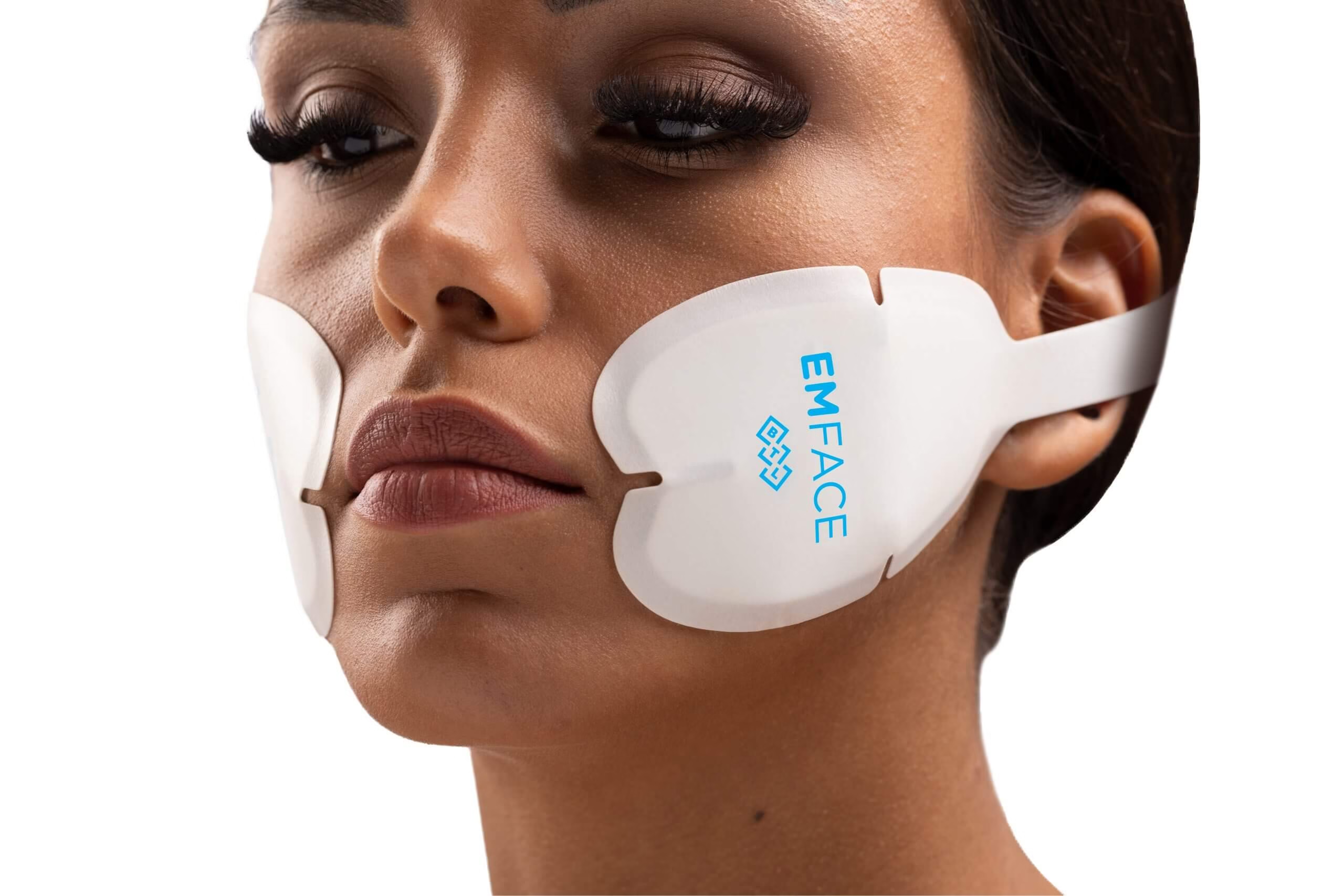
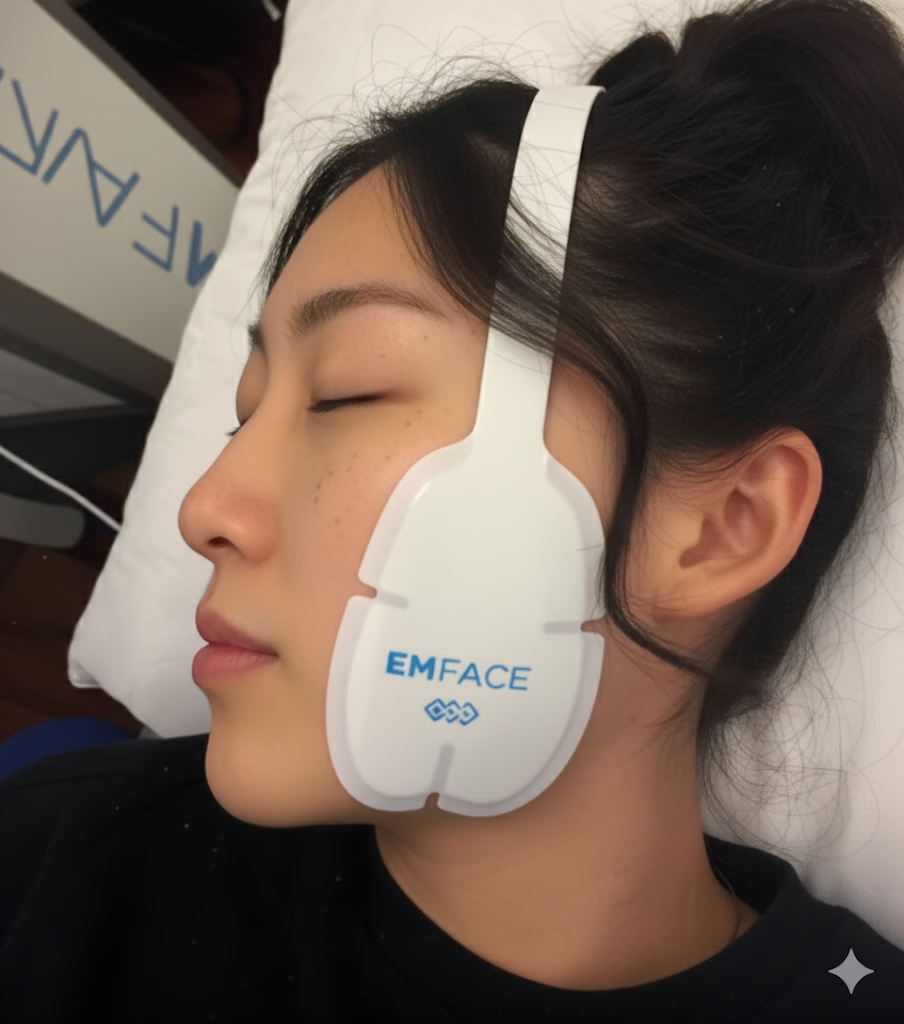
Emface is one of the most popular at Diamond District Aesthetics. It uses:
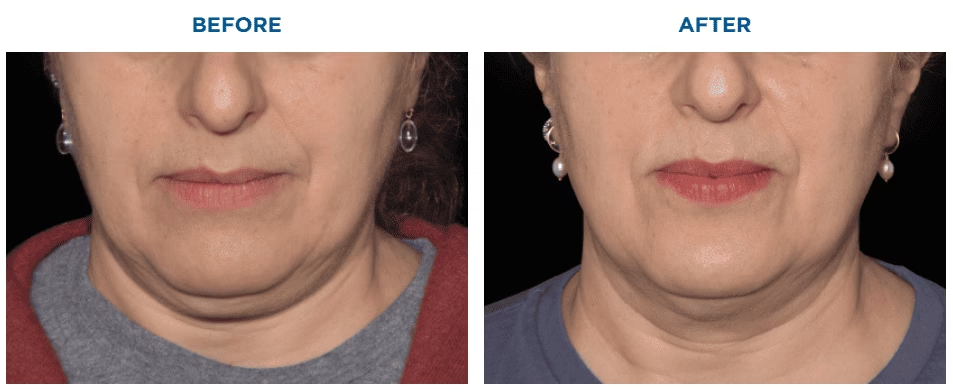
No needles, no downtime, perfect for a lunch-break session.
Most start with 4 treatments (1 to 2 weeks apart), then maintain 1 to 2 times per year. Results often include lifted cheeks, sharper jawline, and a rested appearance.
Learn more about Emface | See sagging skin solutions
Frequently Asked Questions About Early Facial Sagging in Midtown NYC
Final Thoughts
Early facial sagging in Midtown women in their 30s and 40s rarely happens overnight. It builds from collagen decline + city specific stressors.
With consistent habits and the right non-surgical support like Emface, you can maintain firmness and confidence without looking “done.”
Ready to Address Early Sagging?
Book a no-pressure consultation at Diamond District Aesthetics NYC (10 W 46th St #1403). We specialize in natural, subtle results for busy Midtown professionals.