

NOTICING FACIAL CHANGES AFTER SIGNIFICANT WEIGHT LOSS?

Facial Volume Loss & Skin Laxity After GLP-1 Based Weight Loss in NYC

Your weight-loss progress may be going exactly as planned, but your face can sometimes look different along the way. You may notice flatter cheeks, more hollow temples or under-eyes, deeper-looking folds, or a jawline that feels softer than it did before.


Your weight-loss progress may be going exactly as planned, but your face can sometimes look different along the way. You may notice flatter cheeks, more hollow temples or under-eyes, deeper-looking folds, or a jawline that feels softer than it did before.

At Diamond District Aesthetics NYC, we look at what has actually changed facial volume, skin firmness, contours, or a combination before discussing treatment options. The goal is to support natural-looking facial balance, not to simply add volume everywhere.


Expert Care

Personalized assessment based on your facial structure, skin quality, volume changes, and individual goals.

BOOK YOUR PERSONAL CONSULTATION

This field is required.
Select a Service *
This field is required.

By submitting, you agree to be contacted via phone/text/email. Your information is never sold and reviewed only to respond. See Privacy Policy.

WHAT CHANGES MIGHT YOU NOTICE?

How Can Your Face Change After Significant Weight Loss?

Sometimes the change is subtle. You may first notice it in photos, around your eyes, or when your jawline looks a little softer from the side.

Not everyone experiences the same changes, and some people may notice volume loss while others notice loose skin or a combination of both.

Softer Jawline

Sagging Cheeks

Early Jowling

Less Facial Definition

Loose Lower-Face Skin
Reduced Firmness

Fine Lines & Creasing

Less Skin Elasticity

Heavier-Looking Face

Hollow-Looking Temples

More Noticeable Under-Eye Hollows
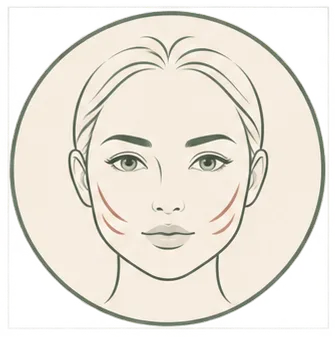
Flatter Cheeks
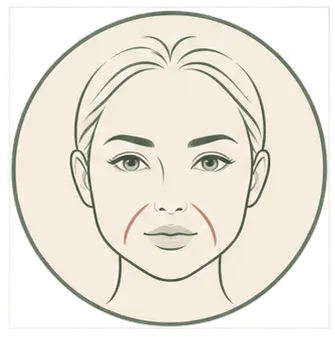
Deeper-Looking Folds
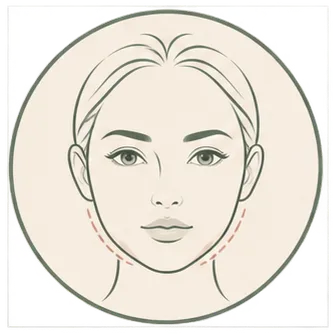
Softer Jawline
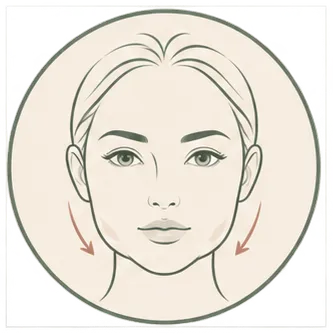
Early Jowling
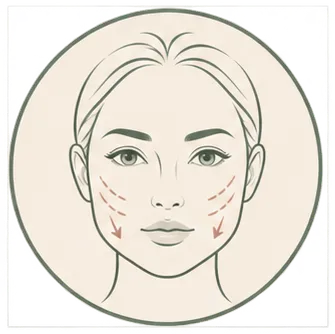
Less Firm Skin
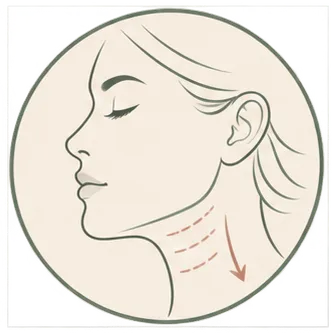
Looser Neck Skin

Heavier-Looking Face

Why Facial Changes Happen After Weight Loss

Understanding Facial Volume Loss After Significant Weight Loss

Think of facial volume as part of the natural support beneath your skin.

When you lose a significant amount of weight, some of that fullness can decrease in the face too. For one person, the change may be barely noticeable. For another, the cheeks may look flatter, the temples more hollow, or the skin around the jawline less firm.

Research is beginning to quantify these changes. For example, a 2025 imaging study of GLP-1 users found measurable reductions in midfacial volume following weight loss, although the study was small and individual results can vary.

And importantly, this does not mean a GLP-1 medication is selectively “melting” or destroying facial fat. Current evidence does not support that idea.

What Facial Volume Loss Can Look Like

  • Less fullness through the cheeks
  • Hollowing around the temples or eyes
  • Reduced support beneath the skin
  • Softer facial contours
  • More noticeable folds
  • Increased lower-face laxity

What Can Make These Changes More Noticeable?

  • How much weight you have lost
  • How quickly your weight changed
  • Your age
  • Natural skin elasticity
  • Your starting facial volume
  • Facial structure and genetics
  • Individual differences in how your body loses weight

ABOUT THE TERM

What Do “Ozempic Face” and “GLP-1 Face” Actually Mean?

“Ozempic face” and “GLP-1 face” are widely used descriptive terms rather than formal diagnoses. A 2025 systematic review of GLP-1-related facial changes also discusses how the phrase has developed across medical literature and public conversation.

01.
Loss of Facial Fullness

If your cheeks, temples, or other areas look more hollow after weight loss, the main concern may be facial volume loss.

Depending on your anatomy and goals, treatments that support or restore facial volume such as Sculptra or targeted dermal fillers may be discussed during consultation.

02.
Reduced Facial Tone & Support

Some patients notice that their face feels less toned or supported overall, even when volume loss is not the only concern.

When facial muscle tone and overall support are part of the assessment, EMFACE may be one option discussed.

03.
Loose or Less-Firm Skin

Sometimes the problem is not mainly missing volume. Instead, the skin may look looser or less supported after weight loss.

When skin laxity is the main concern, treatments designed to support firmness and skin remodeling may be considered.

WHEN TO CONSIDER AN ASSESSMENT

When Should You Consider a Facial Assessment?

Maybe your cheeks seem flatter when you smile, makeup sits differently around your eyes, or your jawline looks a little softer from the side.

You do not need to know whether the issue is “volume loss,” “skin laxity,” or something else before coming in. 

We look at the face as a whole and help separate what may be coming from reduced volume, looser skin, changes in facial support, or normal aging.

If your weight is still changing, that information can also be considered when planning aesthetic care. Exact treatment timing is individualized; current evidence does not support one rigid timing rule for every patient.

Notice What Has Changed

Volume Loss vs. Loose Skin

Consider Your Weight Changes

Plan Thoughtfully

GLP-1 medications are prescription treatments with their own dosing instructions, contraindications, warnings, and potential side effects. Questions about changing or stopping treatment should be discussed with the clinician managing your prescription

Frequently Asked Questions

Common Questions About Facial
Changes After GLP-1 Weight Loss

“GLP-1 face” is an informal term used to describe facial changes that some people notice after significant weight loss while using GLP-1-based medications. These changes may include reduced cheek fullness, temple or under-eye hollowing, more noticeable folds, and skin laxity. It is not an official medical diagnosis.

No. “Ozempic face” is a popular media term rather than a recognized medical condition. It generally refers to facial volume loss or skin laxity that may become noticeable after significant weight loss

Current evidence does not show that Ozempic or other GLP-1 medications selectively dissolve facial fat. Weight loss occurs throughout the body, and the face may show these changes more visibly because facial fat is distributed in relatively small, distinct compartments.

Facial fat contributes to the natural fullness and contours of the cheeks. When significant weight loss reduces facial volume, the cheeks may appear flatter or less supported. A small imaging study in GLP-1 users found measurable reductions in midfacial volume, particularly in superficial facial fat.

No. Facial changes vary significantly from person to person. Factors such as age, genetics, baseline facial volume, skin elasticity, the amount of weight lost, and the rate of weight loss can all influence how noticeable these changes become.

Facial volume loss refers to reduced fullness beneath the skin, which may appear as hollow temples, flatter cheeks, or under-eye hollowing. Skin laxity refers to skin that appears looser or less supported, which may contribute to jowling, folds, or a softer jawline. Many patients experience a combination of both.

Hyaluronic acid fillers may be considered when targeted areas of facial volume loss are part of the concern. The appropriate product, amount, and placement depend on the patient's facial anatomy and treatment goals. While there is some GLP-1-specific research involving HA fillers, much of the broader evidence comes from their established use in facial volume restoration generally.

Sculptra is a poly-L-lactic acid biostimulator used to support gradual collagen production and facial volume restoration. Emerging research has evaluated Sculptra together with HA filler in patients using GLP-1 medications, but the evidence remains limited and should not be interpreted as proof that Sculptra “reverses GLP-1 face.” 


Energy-based treatments such as radiofrequency may be considered when skin laxity or reduced firmness is part of the concern. Treatments such as Exion RF Face are intended to support skin firmness and remodeling rather than replace lost facial volume, so treatment selection should depend on what is actually contributing to the patient's appearance. 

You may consider an assessment when changes such as facial hollowing, reduced cheek fullness, jowling, or loose skin begin to bother you. Whether your weight is still changing may also be relevant to treatment planning, although current recommendations about exact treatment timing are based more on clinical experience than strong comparative trials. 

Do not change, reduce, or stop a prescribed GLP-1 medication based on facial appearance without speaking with the clinician who manages your medication. Diamond District Aesthetics can assess aesthetic concerns related to facial volume, skin laxity, and facial balance, while medication dosing and treatment decisions should remain with the prescribing provider.

PERSONALIZED CARE

A Personalized Approach to Facial Rejuvenation After Weight Loss

No two faces change in exactly the same way after weight loss.
One person may notice hollowing through the cheeks and temples. Another may mainly see looser skin around the jawline. Someone else may notice both.
During your consultation at Diamond District Aesthetics NYC, we look at your facial volume, skin quality, firmness, structure, previous aesthetic treatments, and the changes that actually matter to you.


Visit Us

10 W 46th St #1403,
New York, NY 10036,
United States.

Opening Hours

Mon–Thu: 10AM – 6PM
Fri: 10AM – 3PM
Sat–Sun: Closed

“

Since arriving in the United States and meeting Olga for cosmetic procedures, I’ve had such a positive experience that she remains my favourite aesthetic provider while I’m here in New York City.

– Marcele Brazil
Patient testimonial
★★★★★
4.9/5

Based on reviews

BOOK YOUR PERSONAL CONSULTATION

This field is required.
Select a Service *
This field is required.
By submitting, you agree to be contacted via phone/text/email. Your information is never sold and reviewed only to respond. See Privacy Policy.
Call Advisor Skip to content