Dynamic Wrinkles vs. Static Wrinkles: How Botox May Help Prevent Fine Lines ?
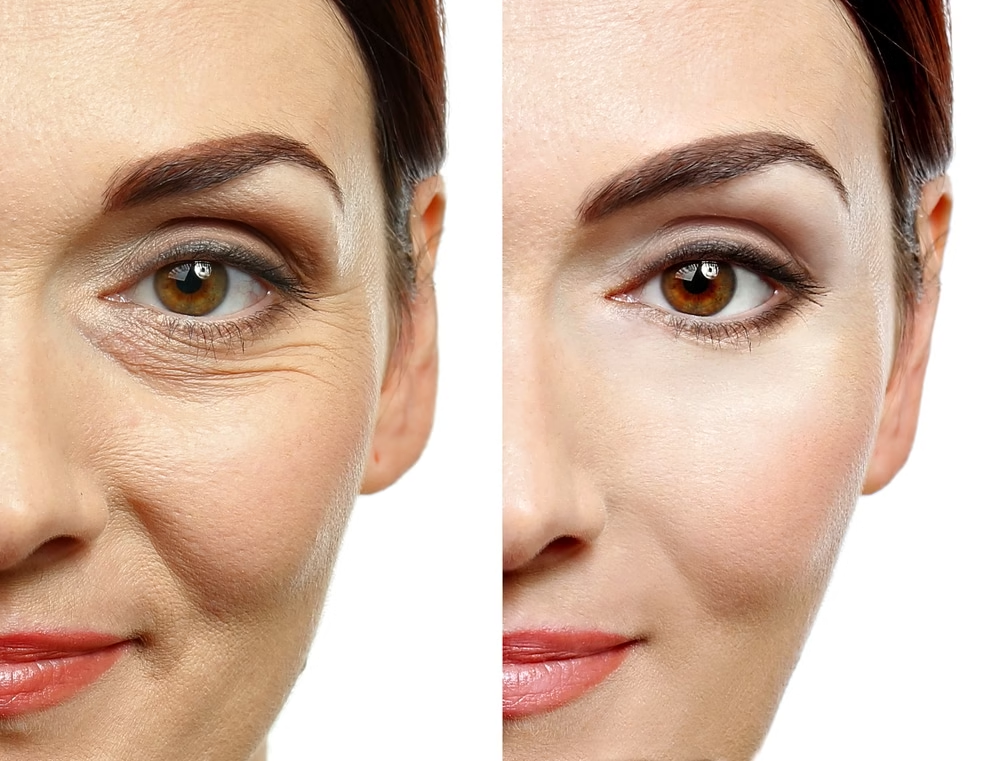
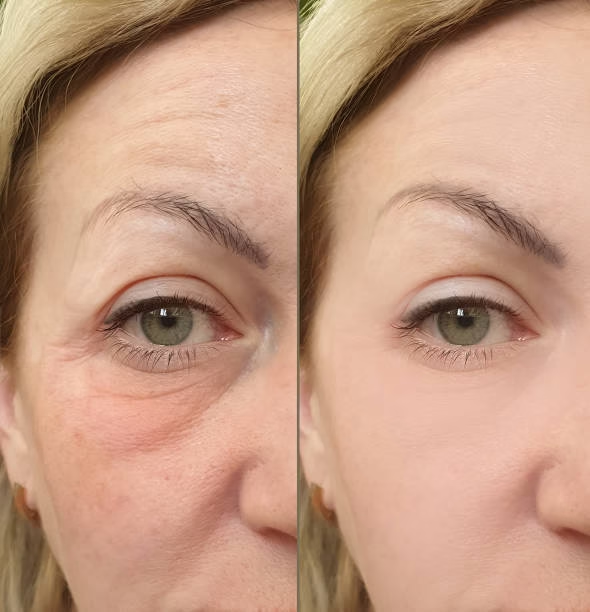
Wrinkles are not all the same, and understanding the difference matters if you are thinking about Botox as a preventative treatment. Some lines appear only when you smile, squint, frown, or raise your brows. These are dynamic wrinkles, and they are driven by repeated muscle movement. Over time, if those movements continue, the skin can begin to hold the crease even at rest. That is when dynamic expression lines can become static wrinkles.
For patients in New York City who want to take a thoughtful, refined approach to aging, preventative muscle relaxation is often part of the conversation. Botox is not about changing how your face looks. Used appropriately, it may help soften repetitive muscle activity before those expression lines become more deeply set.
In this guide, we will explain how dynamic wrinkles differ from static wrinkles, how Botox fits into prevention, and what to consider if you are deciding whether to start treatment now or wait.
What Are Dynamic Wrinkles?
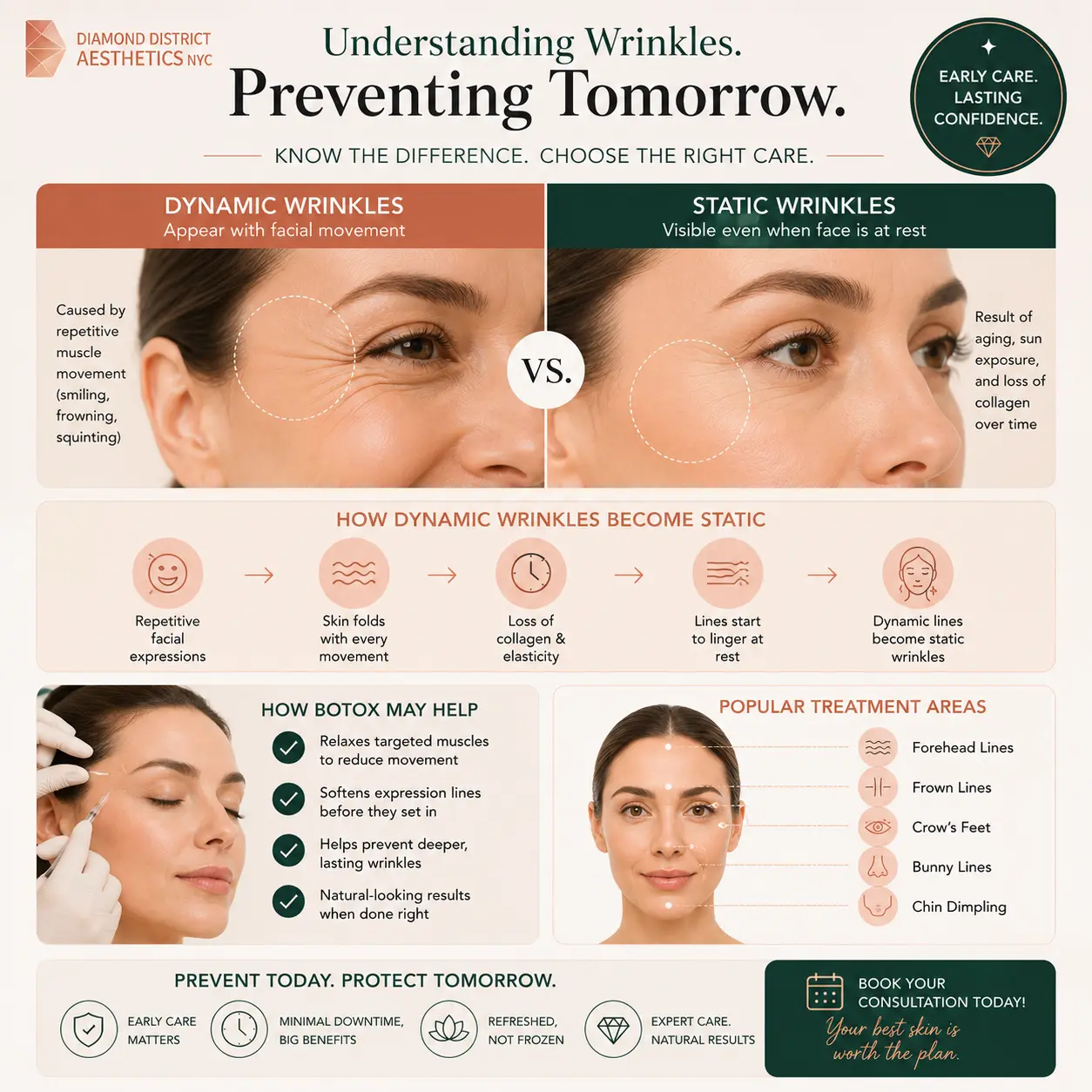
Dynamic wrinkles are the lines that show up when your face moves. They are most noticeable during expression and often affect areas with frequent muscle activity, such as the forehead, between the brows, and around the eyes.
These lines form because the underlying facial muscles contract repeatedly over time. In younger skin, those lines may disappear once the face relaxes. As collagen and elasticity decline with age, the same movements can begin to create more persistent creasing.
What Are Static Wrinkles?
Static wrinkles are visible even when the face is completely at rest. They are often the result of a combination of repeated muscle movement, natural aging, sun exposure, and gradual loss of collagen and skin support.
Unlike dynamic wrinkles, static wrinkles usually cannot be fully improved by muscle relaxation alone. They often require a broader treatment plan that may include Botox, skin quality treatments, fillers, lasers, microneedling, or medical-grade skincare depending on the concern.
How Dynamic Wrinkles Become Static?
The transition from Dynamic Wrinkles to Static Wrinkles does not happen overnight. It is gradual. At first, a line only appears with movement. Over time, if muscle activity continues and the skin loses elasticity, that line may linger even after the expression relaxes.
This is why early intervention can be worth discussing. The goal is not to freeze expressions. The goal is to reduce repetitive folding before those lines become more permanent.
What Is Preventative Muscle Relaxation?
Preventative muscle relaxation refers to using Botox or a similar neuromodulator to reduce the strength of specific facial muscle contractions before deep etched lines form.
In a luxury medical aesthetics setting, preventative treatment should always be subtle. The objective is refreshed facial movement, not stiffness. A skilled injector will respect facial anatomy, expression patterns, and your long-term aesthetic goals.
How Botox Works for Wrinkle Prevention?
Botox works by temporarily relaxing targeted muscles. When the muscle does not contract as strongly, the overlying skin experiences less repeated folding. This may help minimize the development or worsening of dynamic wrinkles.
For preventative purposes, treatment is usually conservative. Smaller doses may be used to maintain natural movement while reducing the muscle activity that creates lines over time.
Dynamic Wrinkles vs Static Wrinkles: Comparison
| Factor | Dynamic Wrinkles | Static Wrinkles |
|---|---|---|
| When visible | Only with facial movement | Visible at rest |
| Main cause | Repeated muscle contraction | Aging, collagen loss, sun damage, and past movement |
| Best known example areas | Forehead, brows, crow’s feet | Forehead, mouth, under eyes, deeper etched lines |
| Botox role | Often very effective | May help, but usually not enough alone |
| Prevention potential | High | Limited once lines are deeply set |
| Common treatment approach | Preventative muscle relaxation | Combination therapy may be needed |
Who May Benefit Most from Preventative Botox?
There is no single age that is right for everyone. The decision depends more on expression patterns, skin quality, and personal goals than on the number on your birthday cake.
Some patients begin in their late 20s or early 30s, while others wait until their 40s or later. A consultation can help determine whether treatment is truly preventative or better reserved for correction.
Age-Based Guidance: When People Often Start Thinking About It?
Late 20s to Early 30s:
At this stage, dynamic wrinkles are often faint and expression-based. Patients who are highly expressive, or who are beginning to notice lines remaining after movement, may discuss small, targeted doses.
Mid-30s to Early 40s:
This is a common time to consider preventative muscle relaxation more seriously. Fine lines may start to remain visible at rest, especially in the forehead and between the brows.
Mid-40s and Beyond:
Botox can still be helpful, but it is often part of a broader strategy. Once wrinkles are static, treatment may need to be combined with skin rejuvenation and volume restoration for the best overall result.
Botox for Prevention vs Correction:
Prevention tends to be subtler and may require fewer units or less frequent maintenance. Correction often demands a more tailored plan, especially if static wrinkles are already established.
A realistic expectation is important. Preventative Botox may help slow visible aging, but it cannot stop time, sun damage, or collagen loss entirely.
What Results Feel and Look Like?
Many patients worry that Botox will make them look unnatural. That outcome is usually associated with over-treatment, not the treatment itself.
Results typically start to become noticeable within several days, with full effect developing over about 1 to 2 weeks. The result is temporary, so maintenance is part of the process.
Downtime, Comfort, and Maintenance for Treatments
Comfort:
Common temporary effects may include:
– Mild redness
– Small injection-site bumps
– Light swelling
– Occasional bruising
These usually resolve quickly.
Maintenance:
Botox is temporary, so regular maintenance is needed if you want to sustain the effect. Many patients return every 3 to 4 months, though timing varies by metabolism, treatment area, and dose.
Cost vs Longevity:
When comparing cost and longevity, Botox is often viewed as a recurring investment rather than a one-time fix.
Longevity varies, but many patients see results last around 3 to 4 months. Some find that with consistent treatment, their lines look less pronounced even as muscle activity returns between visits.
For patients in NYC, the value often comes not just from the injection itself but from the precision, artistry, and medical judgment behind it.
When Botox Alone May Not Be Enough?
If static wrinkles are already present, Botox may help but may not fully address the issue on its own. In those cases, a more complete plan may be recommended.
This combination approach is especially common for patients who want meaningful improvement while still keeping a natural result.
How to Choose the Right Option for Wrinkles?
If you are deciding whether Botox is appropriate now, consider the following:
A consultation with an experienced injector is the best way to evaluate whether your concern is truly dynamic, already static, or a combination of both.
Why Technique Matters in NYC Aesthetics?
In a city like New York, patients often want treatments that are discreet, polished, and suited to a busy lifestyle. That makes injector skill especially important.
The best Botox results are not about doing more. They are about doing the right amount in the right places with an understanding of anatomy, balance, and long-term facial aging. In a premium practice, the focus should be on preserving expression while preventing overworked areas from becoming deeply etched.
| Factor | Preventative Botox | Correction of Static Wrinkles |
|---|---|---|
| Primary goal | Reduce repetitive muscle movement early | Soften existing etched lines |
| Typical age range | Late 20s to 40s, depending on anatomy | Usually 40s and beyond, but varies |
| Downtime | Minimal | Minimal, though combination treatments may add more |
| Longevity | About 3 to 4 months, variable | Botox alone may not fully correct static lines |
| Maintenance | Regular touch-ups often needed | Often requires ongoing combination care |
| Best for | Dynamic wrinkles | Static wrinkles and volume or texture concerns |
Conclusion
Understanding the difference between dynamic wrinkles and static wrinkles is the first step in choosing the right anti-aging approach. Dynamic wrinkles form with movement, while static wrinkles remain visible at rest. Botox can play an important role in preventative muscle relaxation by reducing the repeated folding that contributes to deeper lines over time.
For the right patient, early treatment may help preserve a smoother, more rested appearance without sacrificing natural expression. For others, Botox may be only one part of a broader plan that includes skin rejuvenation and volume support. The key is individualized care, realistic expectations, and a treatment strategy that respects your features.
Frequently Asked Questions
If you are considering Botox for wrinkle prevention in New York City,
Diamond District Aesthetics NYC offers thoughtful, medically guided consultations tailored to your features and goals. Our approach focuses on natural-looking refinement, facial balance, and long-term skin confidence.
Schedule a consultation to learn whether preventative muscle relaxation is right for you and what treatment plan best fits your stage of aging.